All Categories
Featured
Table of Contents
As soon as cooled, it can simply be utilized to water the plants. This solution is abundant in vitamins and minerals, reinforcing the soil instantly.

Fruit and Veggie Scraps Scraps like apple peels, lettuce leaves, and carrot tops can be turned into fertilizer through home composting. This process results in an abundant and well balanced product that can be included into the soil. Besides nurturing the plants, composting significantly minimizes the quantity of home natural waste, promoting a more sustainable routine.
Wood Ash Unprocessed wood ashes are rich in potassium and calcium, perfect for neutralizing very acidic soils. They need to be applied in little quantities, combined with the soil, preventing excessive amounts that might compromise nutrient balance! This type of fertilizer is particularly suggested for gardens and veggie spots, promoting productivity and the resilience of species.
How to Transform the Turf Soil Health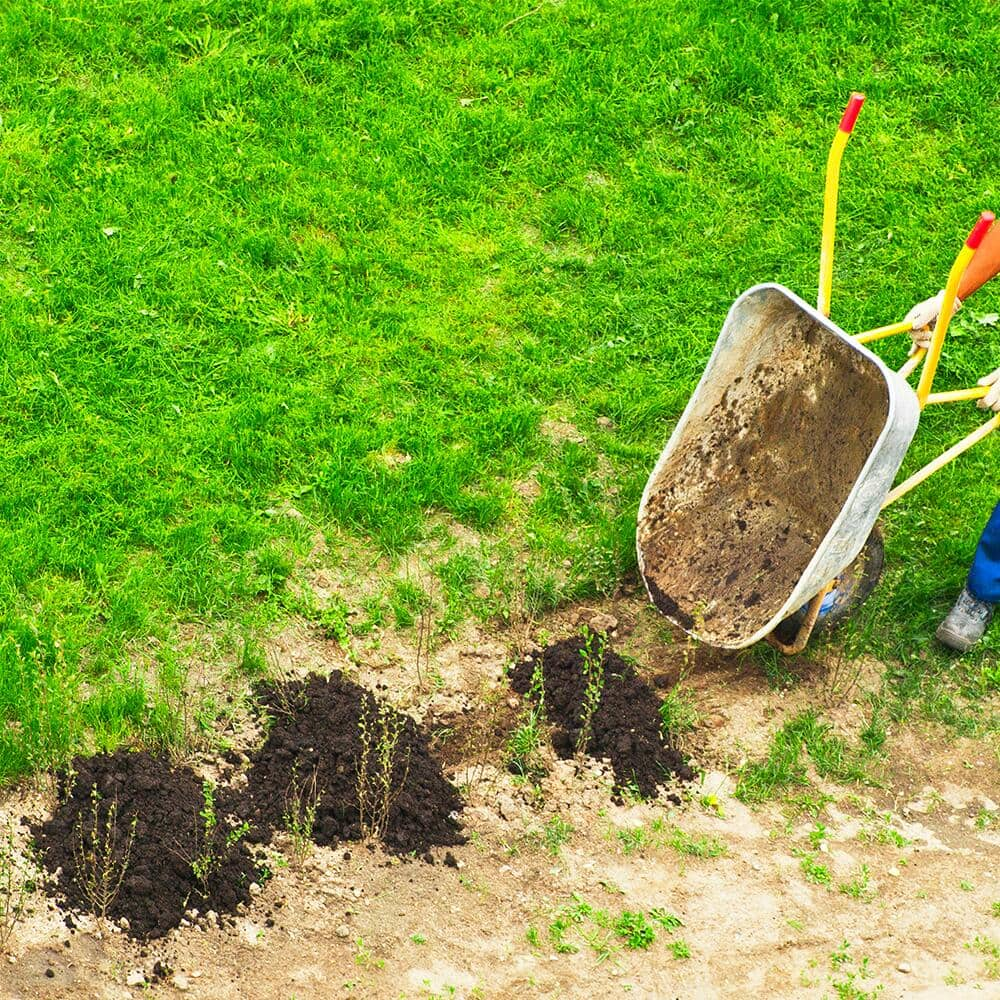
Compost Tea Prepared from the fermentation of organic scraps, garden compost tea is a highly nutritious liquid fertilizer. It can be sprayed on leaves or used directly to the soil, working as a fast increase for weakened plants. It is a service that integrates the richness of composting with the usefulness of liquid application, offering visible lead to a short time.
All, even the wealthiest soils can degrade with intensive use, such as growing and harvesting veggies, fruit and flowers. Keeping fertility of the soil is therefore an extremely important job. The health of the soil can be supported through using organic plant-based fertilizers and correct growing strategy. This might look like an overwhelming task, but nature has systems that can easily restore even the most depleted land and preserve its fertility.
Scientific Agronomic Practices for Denser Grass
If we follow natural laws of cyclicity, reuse and avoidance of waste, we can support the vigor of the soil and get the harvests we want. Plants themselves, including what we class as weeds, can be exceptional fertilizers. Such fertilizers are safe, natural, vegan and often cost much less than other options, or nothing at all.
Making plants the source of fertility, rather than exhaustion, tends to be a labour-, time- and money-saving method. Using plants as fertilizers also assists to establish self-sufficiency and solve essential ethical concerns associated with farming and gardening. This was pointed out by Iain Tolhurst, an industrial small veggie grower from South Oxfordshire, UK.
No-stock ways farming or gardening where no items of animal origin are utilized. Minimizing the usage of animal items is crucial not only because of the problems of cruelty and exploitation of animals that pester modern industrial farming.
Vital Methods for Improving Soil Quality
Preferably a farm or a garden must be self-dependent, take care of their own fertility and not rely on inputs from outside. Tolhurst runs his farm using just plant-based fertilizers produced on his own land. The most important of these is green manures. They assist to make sure that the land is never bare and for that reason there is no loss of fertility as an outcome of disintegration or rinsing of nutrients due to rain and snow.
He also uses a seven-year rotation on his fields, where green manures inhabit two whole years of rotation. Tolhurst began farming over 30 years earlier on land that was so bad and stony that it was considered inappropriate for farming usage. With his technique, surprisingly, he has actually had the ability to run a successful business farm.
This contrasts with industrial farming where the depletion of land is a major perennial problem. Plants can be utilized in 4 methods to preserve the fertility of the soil, to improve its structure, to cleanse it and to reduce the threat of illness and erosion: As green manure when plants are grown and then incorporated into the soil.
As garden compost. As a liquid fertilizer when plants are fermented to launch nutrients and used to water crops. Ideally one ought to a mix of all 4. Field planted with green manure phacelia (purple). What we call green manure are plants sown after the main crop is gathered. They are integrated into the soil before a new crop is planted.

Latest Posts
Employ An Amsterdam Relationship Guru To Enhance Your Social Success
Expert Tips for Boosting Lawn Density
Revitalising Damaged Yards Through Soil Enhancement