All Categories
Featured
Table of Contents
Compacted soils have lower pore space and greater bulk density. the percent of sand, silt and clay that comprises the mineral part of soil. Texture can be estimated by feeling for sand grains in between your fingers and by the capability to produce a clay ribbon between your thumb and forefinger (Figure 1, Page 2).
soil with more clay than sand or silt soil with no supremacy of sand, silt or clay soil with more sand than silt or clay the quantity of water a soil can hold. Soil can hold two types: water that is loosely held and readily available to plants and water that is tightly held by soil particles and is unavailable for plant use.
Medium-textured soil holds more plant-available water than coarse-textured soil. While not a physical particular, the topography of the soil surface area also will be an influence on water motion into the soil.
What Is the Top Seed for Sunny Areas?Strategic Turf Restoration Secrets for Success
A piece of soil revealing the different layers or horizons that have been formed through time. The uppermost layer of soil in most of North Dakota established under grassy field turfs and forbs, and tends to be dark colored due to the resulting organic matter accumulation. This layer is the most productive in the soil.
These aggregates tend to withstand compaction and contribute greatly to permeability, beneficial bulk density and porosity. The surface area layer, abundant in raw material, also is a warehouse of slow-release nutrients that are valuable for plant growth. The underlying layers are not as productive as the surface layer due to lower raw material content.
Picking Sun-Loving Seeds for Low-Maintenance LandscapesThese accumulations typically are not desirable and may limit the growing of some kinds of plants. With ornamentals, having a subsoil chemical analysis before selecting adapted types for planting is particularly important. Subsoils can not be enhanced quickly.
I'm talking about the performance of my lawn and garden. While I've been gardening personally and professionally for many of my life, over the past numerous years, I have actually had an opportunity to truly settle in to my forever landscape (and horticultural lab) and improve soil wherever I want plants to flourish.
Natural Vs Standard Fertilizer ChoicesStrategic Lawn Renovation Tips for Density
Now I finally have time to put all that guidance I teach and demonstrate on television and writing, into full-on screening here at the Garden Farmmy individual home garden and landscape. It's also the filming set for our nationwide television series, Growing a Greener World. For several years, we have actually shown all this fantastic wisdom in everybody else's garden or landscape.
Can I simply say it's quite amazingbut not surprising? The veggie garden amazes all who check out. Plants seem to leap out of the ground with development and vigor. Even experienced garden enthusiasts are surprised. The natural lawn has actually never looked fuller or greener. And my tree, shrub and seasonal installations have actually adapted magnificently.
So what's behind this across-the-board vigor? If you didn't know me, you might believe great deals of synthetic fertilizer. Not that. I'm an organic garden enthusiast. Perhaps it's lengthy hours of watering. No, not that either. When I consider planting, it's not so much about how deep or wide to dig the hole.
Steps for Improving Your Turf Soil QualityEssential Steps for EnhancingYour Lawn Density
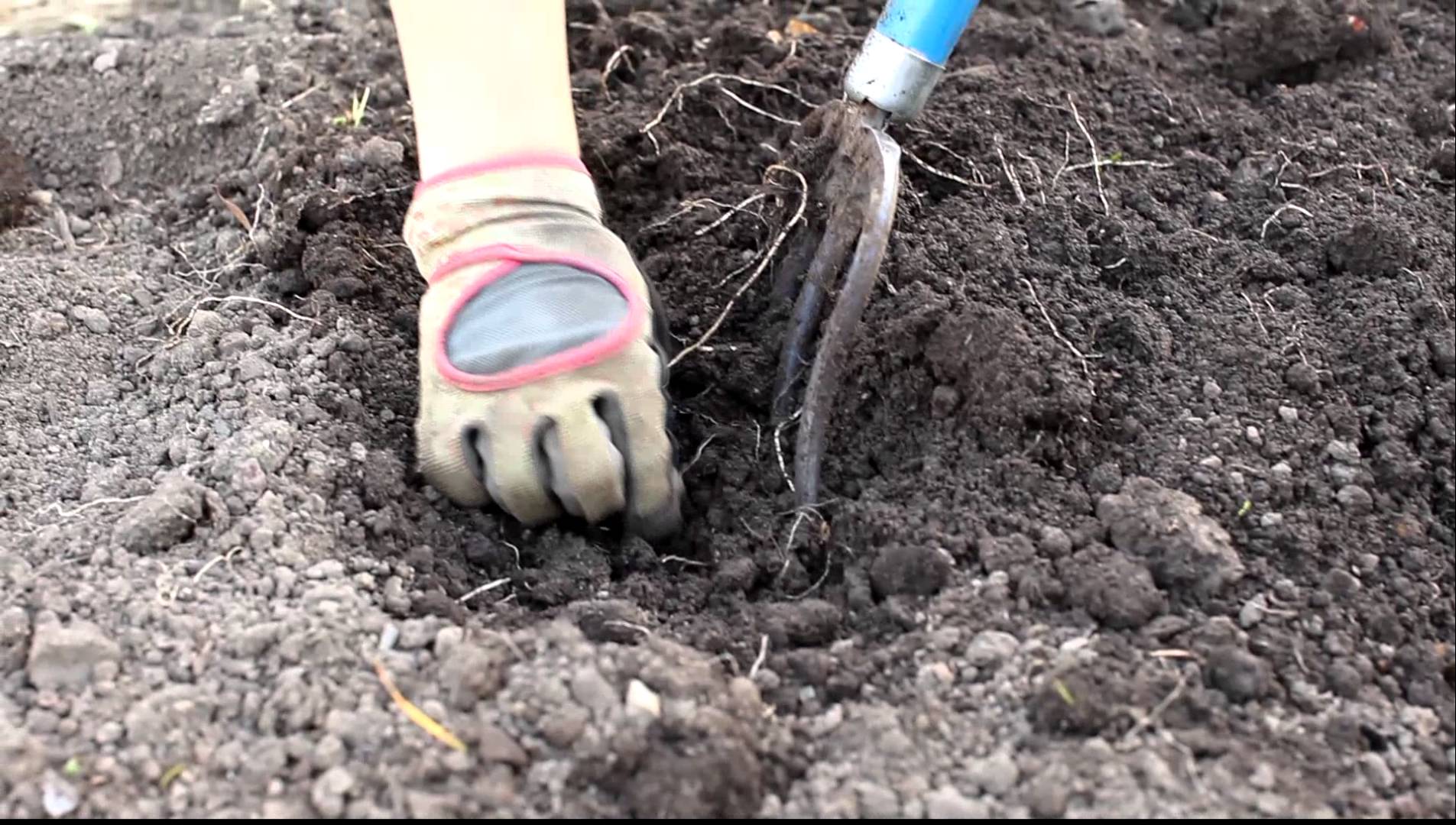
That implies providing plants the very best foundation possible through terrific soil. Yes, it takes some forethought and patience, but the benefits are ongoing. No matter what type of soil you have to begin, whether it's loose and sandy, or heavy clay (like mine), doing what you can to incorporate raw material will provide it body, porosity, texture, and crucial microorganisms your plants need to really grow.
That's the not-so-secret ingredient to enhancing any soil. In a nutshell, raw material (my definition anyhow) is the natural earthy material that when decayed, makes up the non-mineral part of soil. Examples consist of rotted leaves, shredded bark or wood chips, aged manure, broken down straw, hay, grass, and yard debris. The holy grail of all organic matter is compost.
Over a number of months, these active ingredients break down into the best soil modification for your lawn or garden, complete with nutrients, and billions of helpful bacteria that function as the workers in your soil in a symbiotic sort of way to help your plants thrive as nature meant. You may be surprised to know that in nature, organic matter only makes up about 5% of native soil.

Latest Posts
Employ An Amsterdam Relationship Guru To Enhance Your Social Success
Expert Tips for Boosting Lawn Density
Revitalising Damaged Yards Through Soil Enhancement